
A new approach to environmental monitoring:
SeaMe lays the foundations for a comprehensive assessment of the marine environment in offshore wind farms
RWE Offshore Wind GmbH
- Five cutting-edge monitoring technologies successfully tested off Heligoland and at Kaskasi offshore wind farm, minimising impacts on the marine environment
- Results demonstrate how the integration of biological and physical environmental data can support the development of ecosystem-based environmental monitoring
- A new online portal makes project data and results publicly available and lays the foundations for further analysis, technical development and practical implementation
Essen, 28 October 2026
The SeaMe project (Sustainable Ecosystem Approach in Monitoring the marine Environment) has successfully completed its initial offshore test phase. Over the past two years, innovative monitoring technologies such as drones, AI-assisted camera systems and an autonomous underwater vehicle have been tested under real-world conditions off the German island of Heligoland and at RWE's Kaskasi offshore wind farm.
This made it possible to collect various biological and physical environmental data simultaneously and link them systematically. The data provide a basis for improving the understanding of the interrelationships within the marine ecosystem.
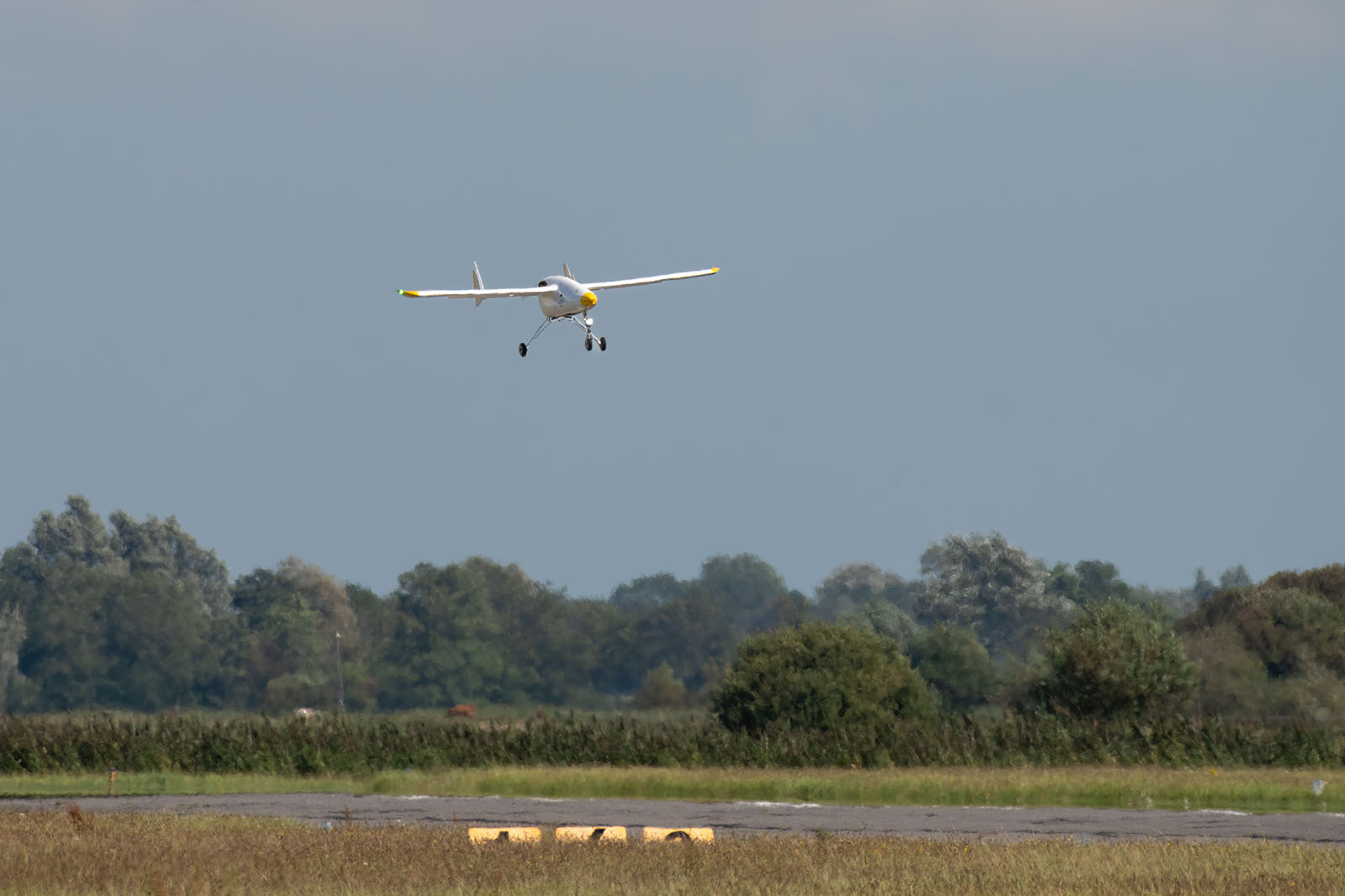
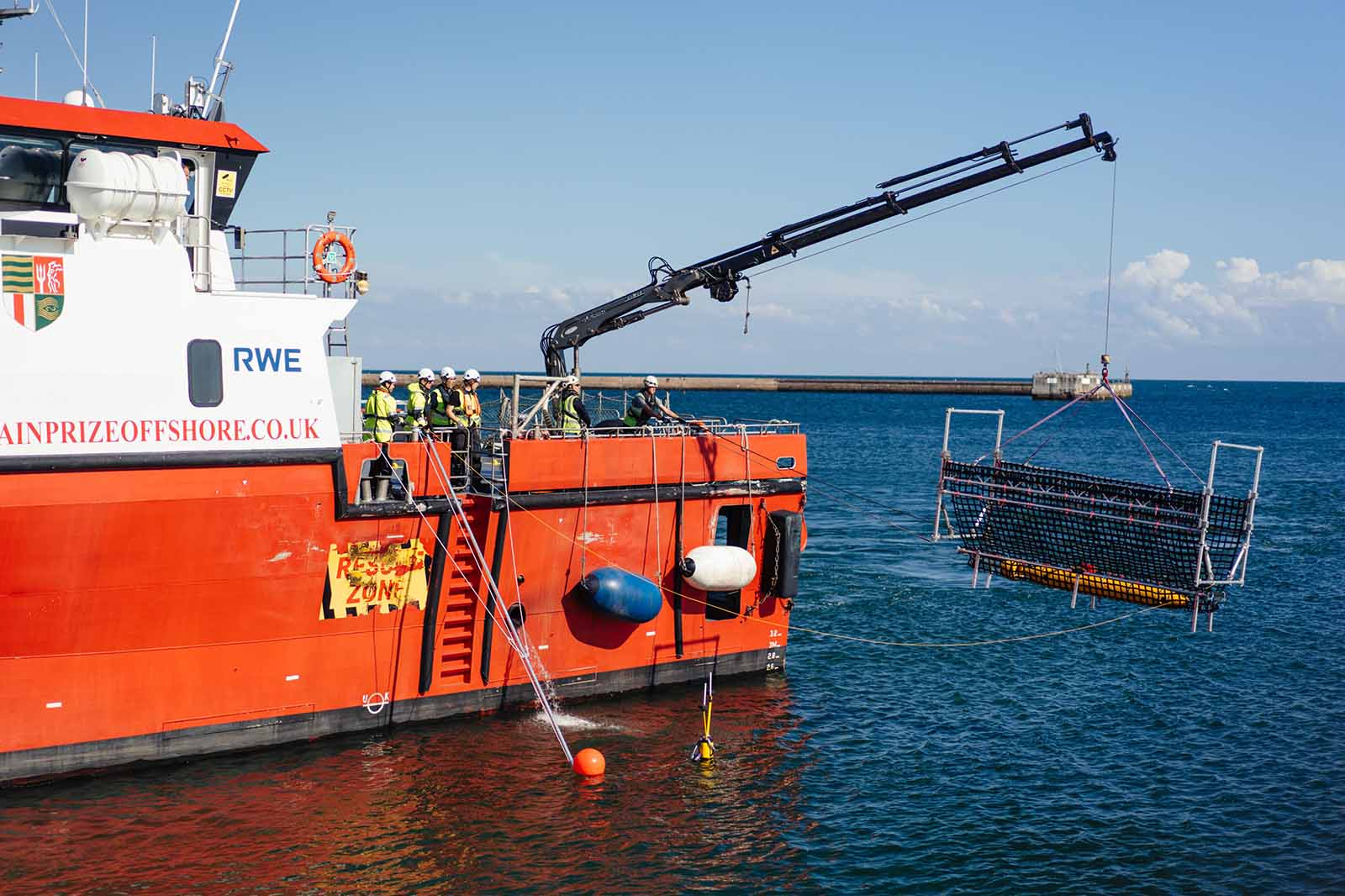
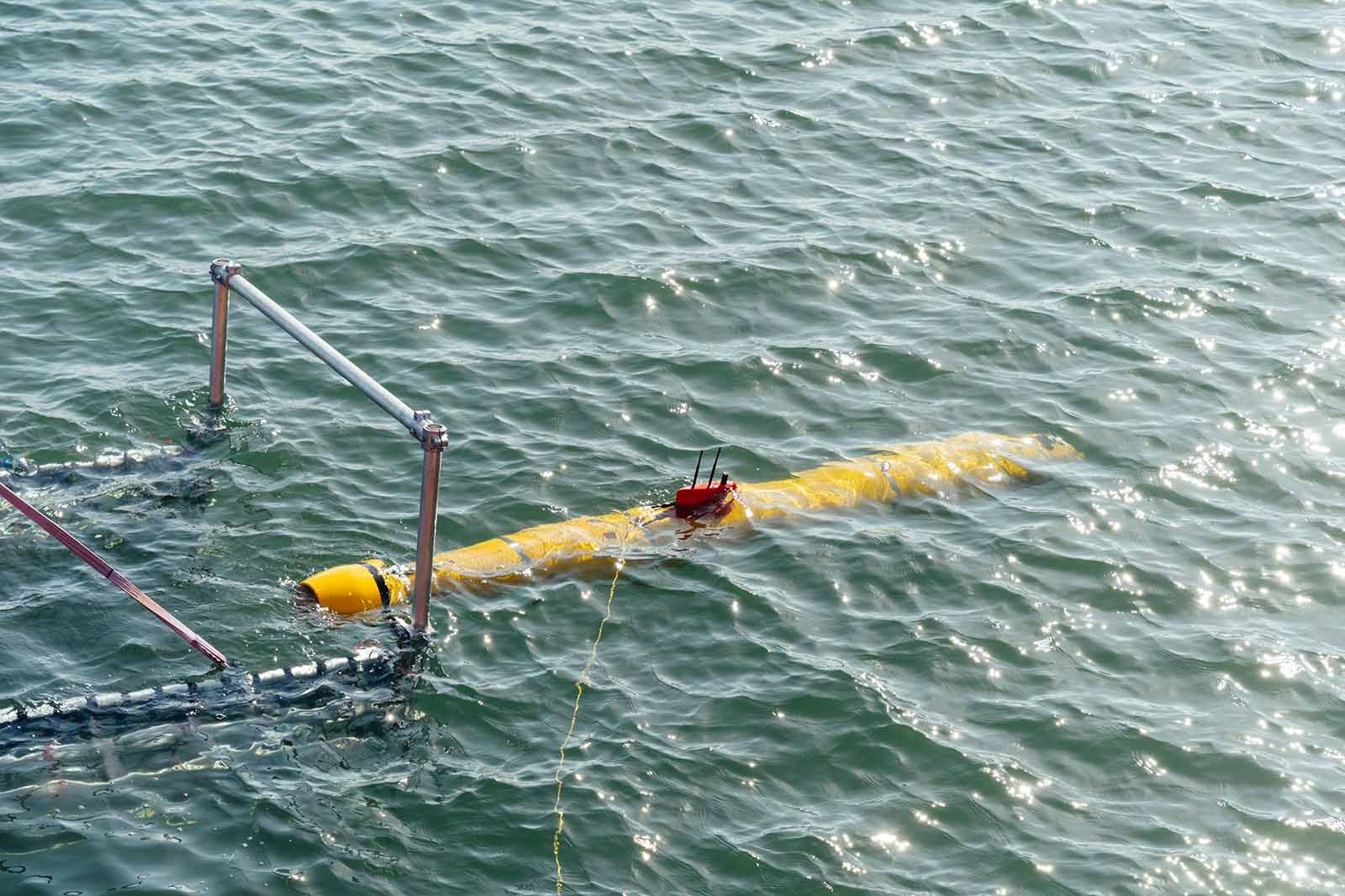
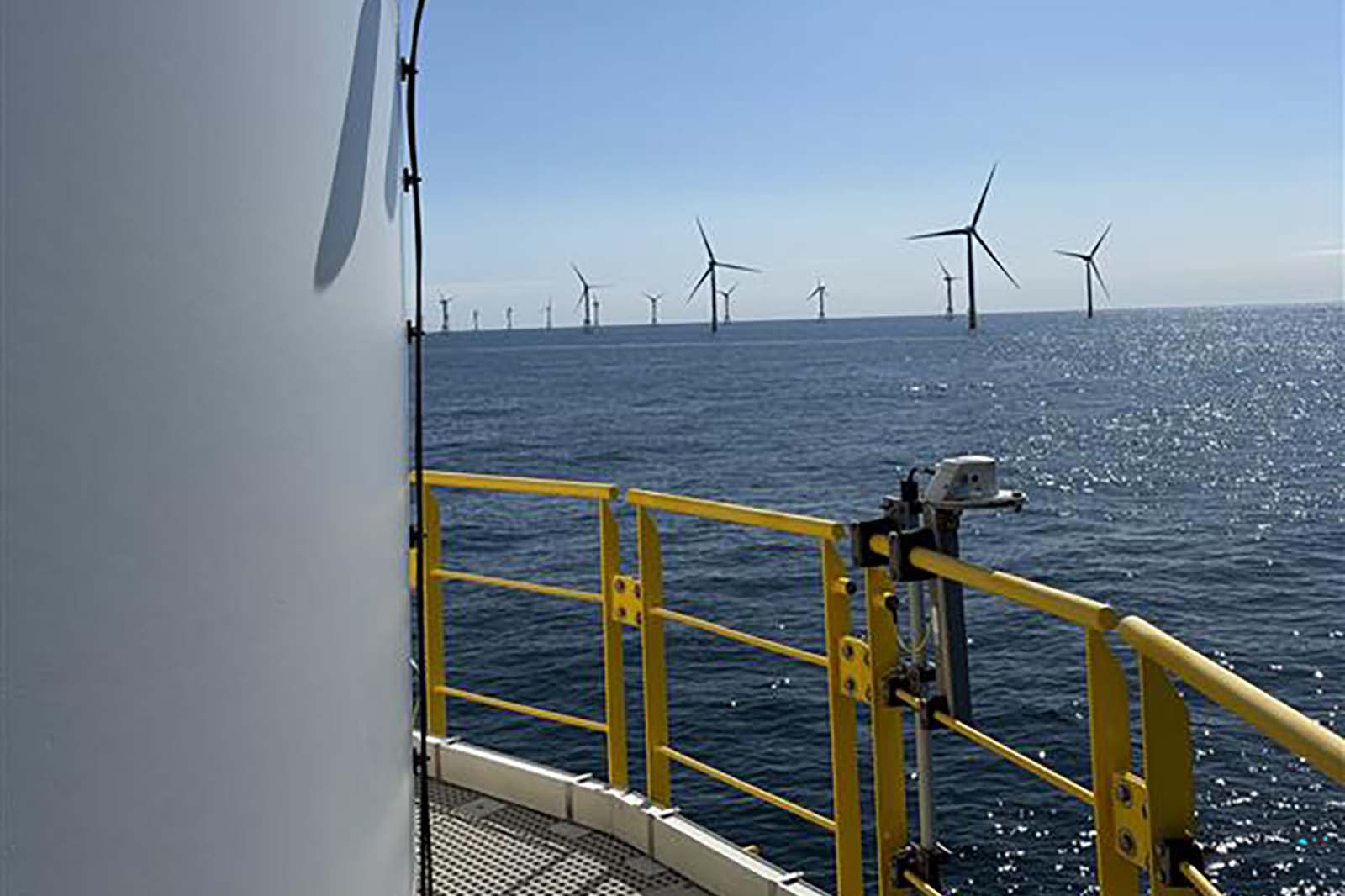
The results demonstrate that modern, non-invasive, low-emission methods can make monitoring at sea more efficient, environmentally friendly and informative. More frequent observations and a more thorough assessment of the marine environment make it easier to track how marine ecosystems are developing while at the same time minimising disturbance. The initial data collected as part of the project is now available on a new online portal for researchers, public authorities, industry and interested members of the public. Over the coming year, new data will be collected and made available on an ongoing basis.
Tobias Keitel, CEO RWE Offshore Wind: “As one of the world's leading companies in offshore wind, we aim to build and operate wind farms in harmony with nature. SeaMe demonstrates that innovative technologies can help us gain an even better understanding of the interactions between offshore wind energy and marine ecosystems. By making the collected data publicly available, we are laying an important foundation for further technological development and practical implementation that can help make environmental monitoring, as well as the construction and operation of offshore wind farms, more efficient and environmentally responsible.”
New technologies for more environmentally friendly monitoring successfully tested
A key part of SeaMe was to develop and test new technologies that would monitor the environment more efficiently and sustainably. To this end, RWE worked closely with partners from industry, applied research and universities. All five technologies deployed were successfully used in offshore conditions and provided data that can be incorporated into the design of future monitoring programmes.
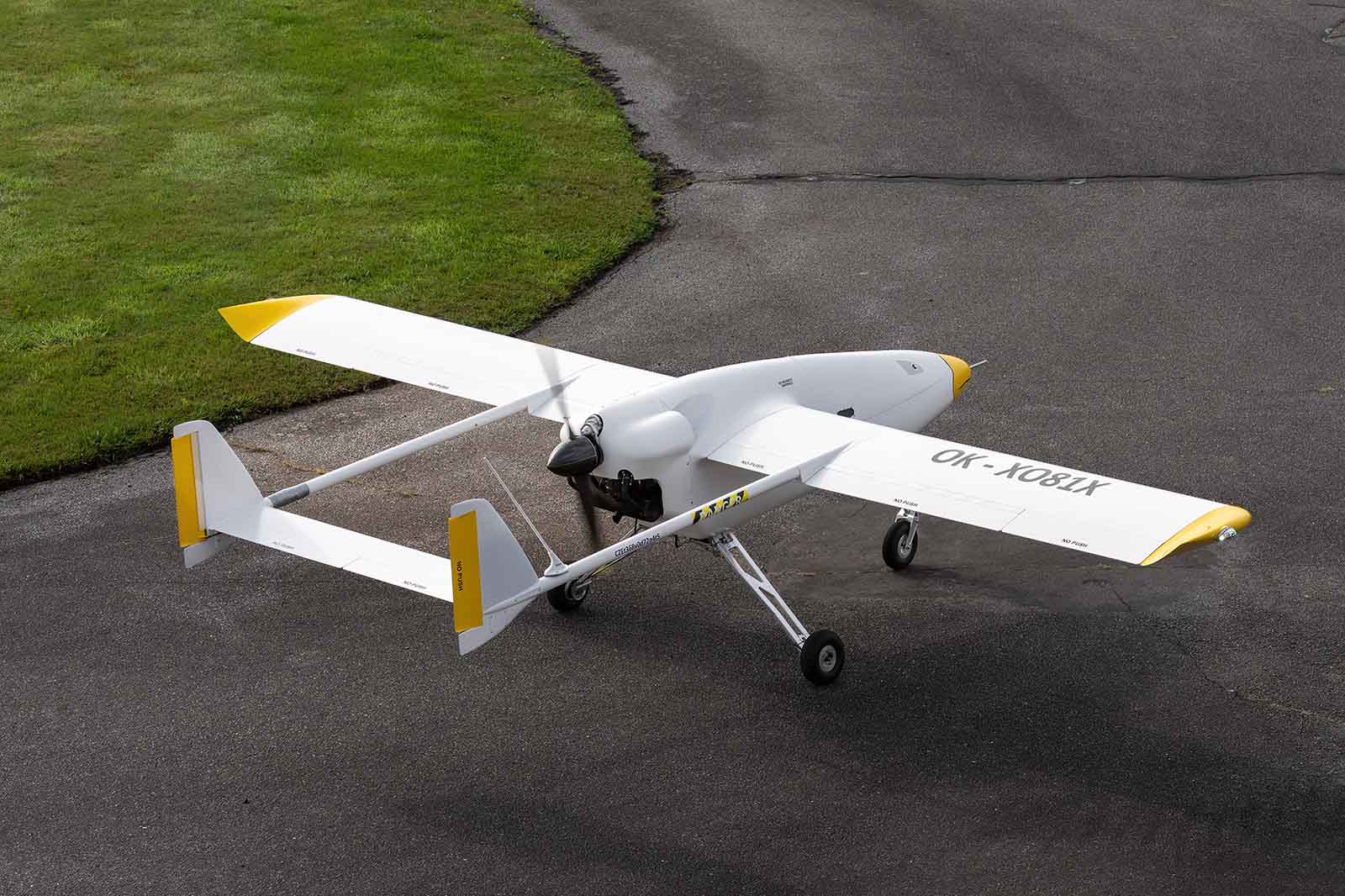
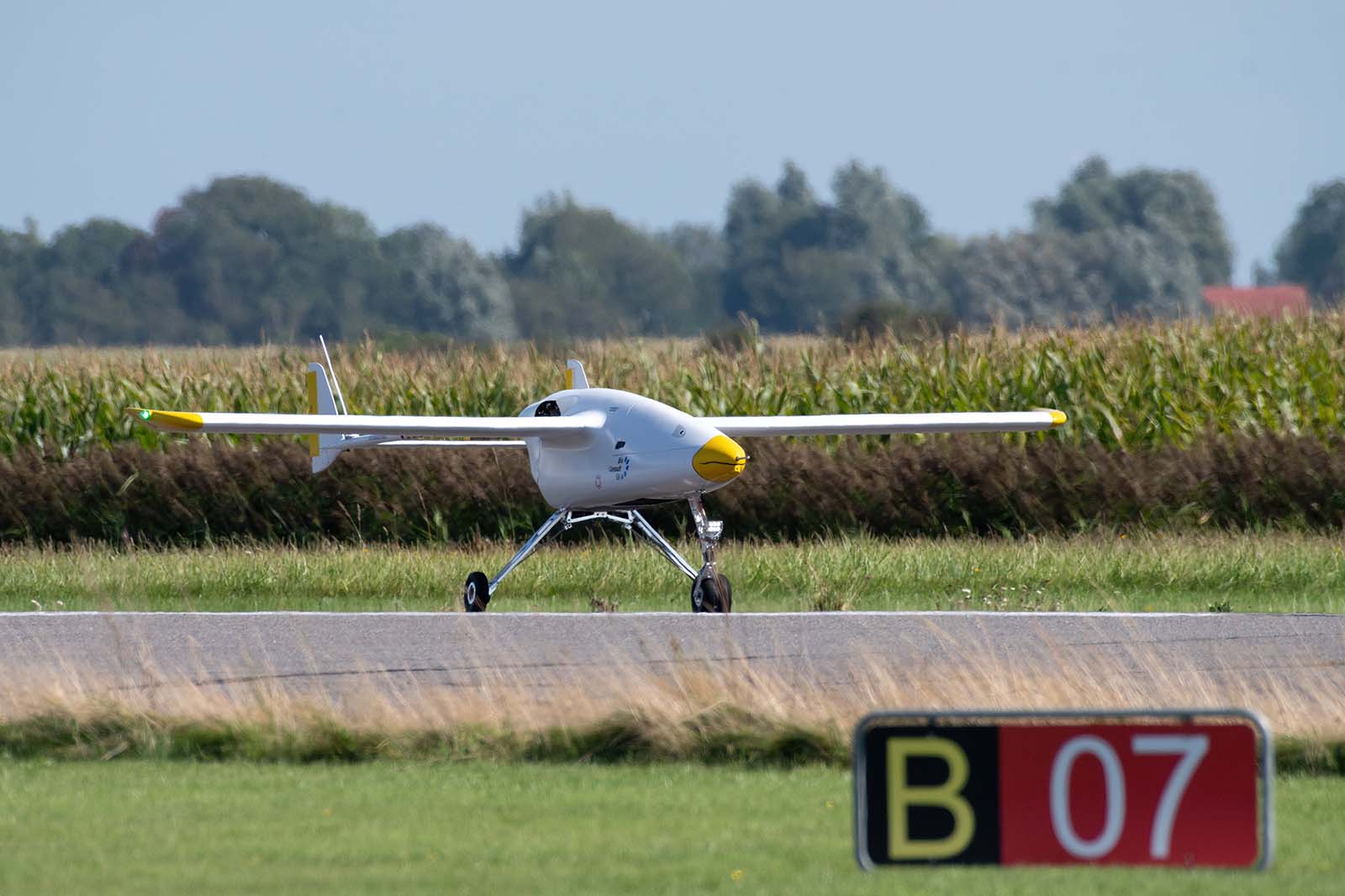
BioConsult SH used long-range drones to survey birds and marine mammals. The use of drones meant that fuel consumption was reduced by up to 90 per cent compared to conventional surveys using airplanes.
Spoor installed high-resolution, AI-based camera systems to continuously monitor and automatically analyse bird activity at offshore wind turbines. Combined with species identification verified by experts, the systems provide round-the-clock insights into flight patterns and site- and species-specific behaviour.
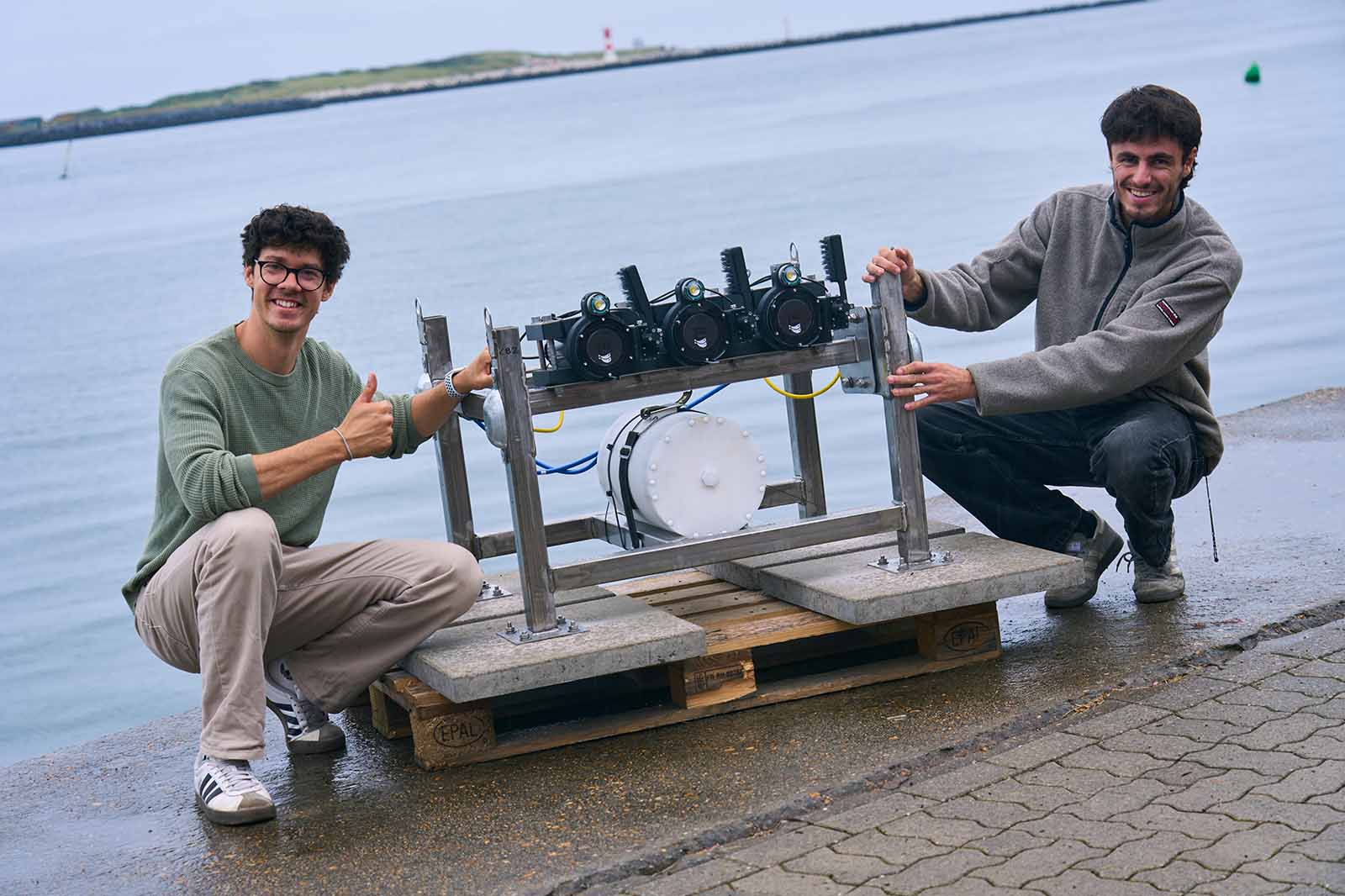
Anemo Robotics developed underwater camera systems for the long-term observation of fish and benthic organisms. As part of the project, more than 860 hours of underwater video footage have already been recorded and automatically analysed.
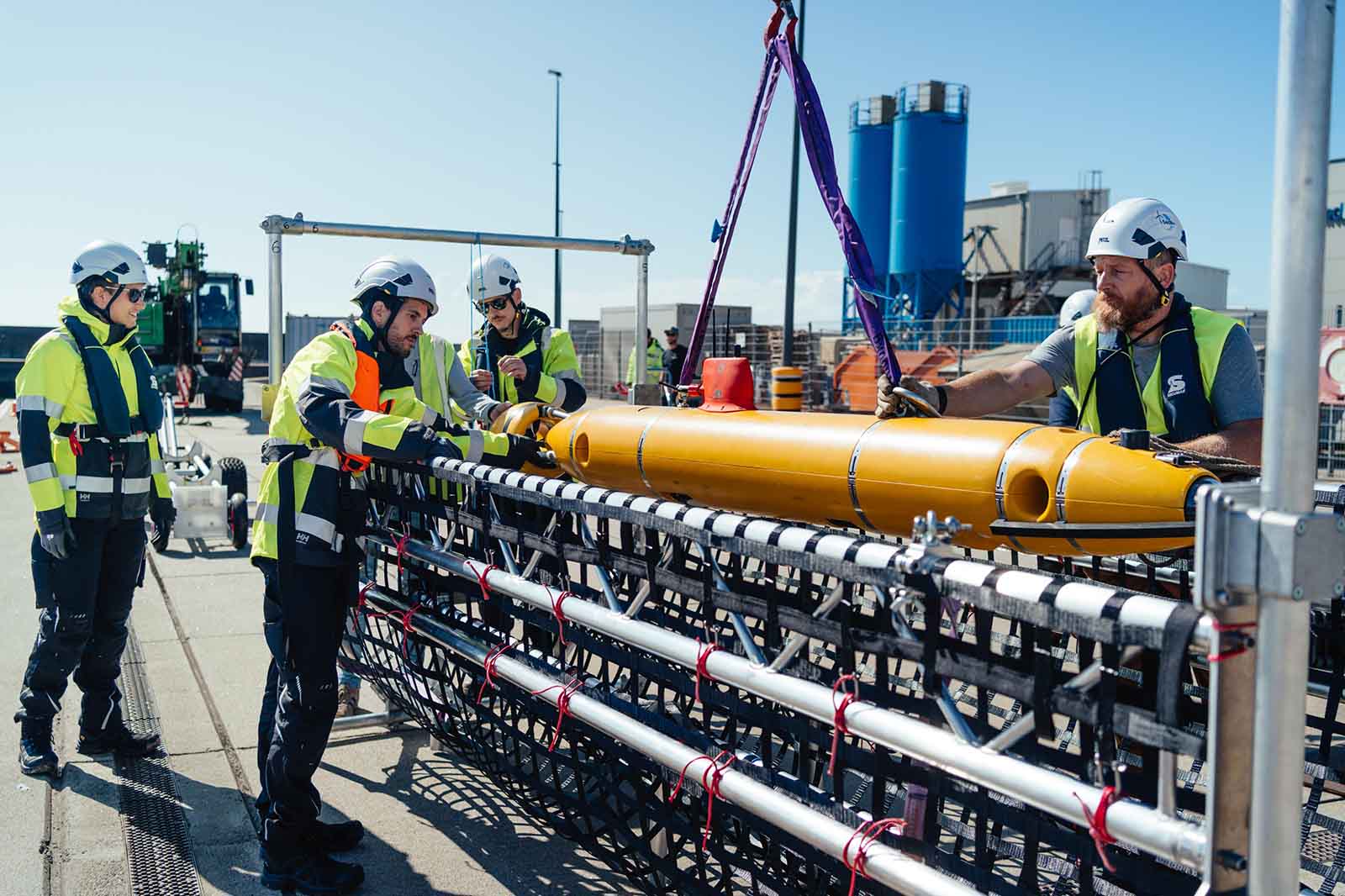
The German Research Centre for Artificial Intelligence (DFKI) has modified its self-developed autonomous underwater vehicle so that it can collect biological and physical environmental data simultaneously. The tests show that different types of environmental data can be collected automatically and simultaneously using an autonomous system, thereby laying the foundations for more efficient, ecosystem-based monitoring in the future.
The Helmholtz Institute for Functional Marine Biodiversity at the University of Oldenburg (HIFMB) and the Alfred-Wegener-Institute Helmholtz-Centre for Polar and Marine Research (AWI) analysed environmental DNA samples and provided new insights into biodiversity in the region being studied. Their analysis identified 226 species or 255 biological groups across 17 animal phyla.
DHI developed the SeaMe data portal, as well as an ecosystem-based analytical framework linking various biological and physical datasets. This framework maps ecological relationships and highlights the explanations derived from the observations. It thus paves the way for future integrated ecosystem analyses, modelling and recommendations for monitoring programmes.
Integrated view of marine ecosystem
What makes SeaMe really special, however, in addition to the value added by the individual technologies, is that it integrates the various data sources. Whilst individual methods record specific species or environmental parameters in great detail, combining them provides a more comprehensive view of ecological relationships. This makes it possible to examine changes in species occurrence in relation to physical environmental conditions and to identify correlations that warrant further analysis. The extensive datasets are being continuously analysed and will be incorporated into scientific publications. Furthermore, several of the technologies tested in the SeaMe project are already being further refined and are set to be deployed again next year at the Kaskasi offshore wind farm. From March to September 2027, further data will be collected on an ongoing basis and added to the SeaMe data portal.
Operations team at Kaskasi wind farm supports environmental monitoring
Kaskasi offshore wind farm is located around 35 kilometres north of the German island of Heligoland. With a total installed capacity of 342 megawatts, the wind farm is capable of supplying the equivalent of approximately 400,000 households with green electricity. Operating from Heligoland, a dedicated RWE team monitors, operates and maintains the wind farm, and also provides support for the SeaMe project.
More information on the SeaMe project can be found here.
Images of SeaMe for media use are available at the RWE Media Centre.

Matthias Beigel
Head of Media Relations National
RWE AG
P +49 (0) 201 5179-5008